넷플릭스는 종종 영화를 ‘완성도’라는 기준으로만 논하거나 평가하기 어렵게 만드는 플랫폼이다. 특정 작품이 얼마나 정교하게 구성되어 있는지, 혹은 스토리와 연출이 기존 장르의 기대치를 충족하는지는 분명 중요한 요소이지만, 넷플릭스가 전 세계 관객에게 제공하는 경험을 판단하는 기준은 그것만이 아니다. 이번에 공개된 노르웨이 괴수 영화 ‘트롤의 습격 2(Troll 2)’는 바로 그 지점을 잘 드러내는 사례다. 만약 이 작품이 넷플릭스가 아닌 극장 중심 배급 시스템 안에 놓였다면, 한국 관객이 이를 접할 기회는 거의 없었을 것이다. 로컬 신화에 기반한 괴수물, 그것도 북유럽 산악 지형과 노르웨이 역사 속 전설을 끌어와 재해석한 작품이 글로벌 시장의 높은 장벽을 넘어 아시아 관객 사이에 자리 잡기란 쉽지 않은 일이다. 하지만 OTT 플랫폼은 이 구조를 완전히 바꾸었다. 넷플릭스는 언어·지역의 장벽을 사실상 제거함으로써 과거에는 특정 국가 안에서만 소비되던 신화적 존재들을 전 세계 관객의 콘텐츠 목록 한가운데로 끌어왔다. ‘트롤의 습격 2’는 영화의 완성도와는 별개로, 세계 관객이 노르웨이라는 지역의 설화·전통·정서를 직접 체감하도록 만드는 일종의 ‘문화적 채널’로 기능한다. 이런 맥락에서 이번 작품은 단순한 괴수물 이상의 의미를 갖는다. 한 국가의 신화적 상상력이 글로벌 플랫폼을 통해 어떻게 전 세계로 확산되는지 보여주는 현장 기록에 가깝다.
트롤이라는 존재, 그리고 북유럽이 괴수를 만들 때
트롤은 북유럽 민담과 신화에서 오랫동안 인간과 자연 사이의 경계에 위치한 존재로 묘사되어 왔다. 현대적 판타지 문학이 세계적으로 널리 소비되기 이전에도, 노르웨이 사람들에게 트롤은 자연의 일부이자 때로는 인간에게 위협적이고 낯선 타자였다. 이런 전통적 이미지가 1편에 이어 2편에서도 변주되어 나타난다. 영화 속 트롤은 단순한 괴수가 아니라, 산과 흙으로 이루어진 고대 생명체, 자연적 존재, 그리고 인간 세계로부터 추방된 종족의 후예로 그려진다. 이는 단순한 장르적 장치 이상으로, 노르웨이의 자연관과 신화적 세계관을 반영하는 설정이다. 특히 영화는 트롤을 ‘파괴자’라기보다는 ‘오랜 기억을 가진 존재’로 묘사한다. 트롤이 노르웨이의 산악 지형과 떨어질 수 없는 이유는, 이들이 자연과 동일시된 존재라는 전통적 상징성 때문이다. 2편은 이러한 신화적 뿌리를 조금 더 직접적으로 드러내며, 트롤이라는 존재가 과거에 어떻게 인간 사회와 공존했는지, 그리고 어떤 역사적 사건을 통해 인간들로부터 배제되고 왜곡되었는지를 서사의 중요한 축으로 끌고 온다. 이는 괴수물이 자주 활용하는 단순한 갈등 구조(인간 vs 괴수)에서 벗어나, 특정 문화권의 신화적 존재를 둘러싼 기억과 역사, 그리고 그 왜곡을 다루는 좀 더 복합적인 서사로 확장되는 지점이다.
1편의 성공과 2편이 짊어진 태생적 과제
‘트롤의 습격’ 1편은 공개 직후 넷플릭스 비영어권 영화 중 역대 최고 시청 기록을 세우며 전 세계적으로 예상 이상의 반응을 얻었다. 괴수물이라는 장르적 낯섦에도 불구하고, 노르웨이 신화라는 특수한 문화적 배경이 글로벌 시장에서 통할 수 있다는 사실을 입증한 사례였다. 당시 관객들은 북유럽 특유의 환경적 스케일과 자연을 압도하는 트롤의 존재감을 새롭게 받아들였고, 이는 플랫폼의 알고리즘이 작동해 만들어낸 ‘우연한 글로벌 히트’였다. 하지만 흥행의 이면에는 속편 제작이 반드시 풀어야 할 중요한 문제가 자리했다. 첫 번째 영화가 이미 노르웨이 신화의 핵심을 활용해 세계관을 보여준 상황에서, 두 번째 영화는 단순한 반복이 아니라 새로운 확장 방향을 제시해야만 했기 때문이다. ‘트롤의 습격 2’는 규모 면에서는 북유럽 영화로서는 최대 규모의 제작비를 투입하며 제작 단계에서부터 ‘확대된 세계관’을 예고했지만, 그만큼 더 많은 서사적 기대를 감당해야 하는 숙명을 안고 있었다.
속편 제작의 부담은 흔히 ‘전편보다 더 크고 더 화려해야 한다’는 장르 규칙과도 연결된다. 하지만 괴수물의 경우 스케일만 확장해서는 관객의 만족을 보장하기 어렵다. 이미 괴수의 존재가 드러나고 그 세계관의 윤곽이 밝혀진 상태에서 관객이 바라는 것은 새로운 설정, 신화의 확장, 혹은 괴수 개체의 다른 면모와 같은 ‘내적 확대’이기 때문이다. 이런 맥락에서 2편이 직면한 과제는 단순히 더 큰 트롤을 등장시키는 것이 아니라, 트롤이라는 신화가 더 깊은 층위에서 세계관을 어떻게 밀어 올릴 수 있는가를 보여주는 것이었다. 그러나 많은 해외 비평은 이 지점에서 2편이 충분히 새로운 방향성을 펼치지는 못했다고 본다. 전편보다 더 큰 스케일과 더 많은 장면을 제공하고 있음에도 불구하고, 확장된 세계관이 주는 감흥이나 신화적 깊이가 그만큼 커지지 않았다는 것이다. 이런 평가는 속편이 본래 안고 있는 제한점을 보여주는 동시에, ‘트롤의 습격 2’가 세계관 확장과 장르적 쾌감 사이에서 완전히 균형을 잡지는 못했다는 사실을 드러낸다.
기억, 탐사, 그리고 다시 깨어난 거대한 존재
영화는 어린 시절 노라가 아버지에게 들었던 전설로 시작한다. 노르웨이 역사 속 실존 인물인 올라프 왕과 트롤 종족 사이의 갈등은 2편의 가장 중요한 역사적 배경으로 재해석된다. 그동안 전설이나 ‘이야기’로만 취급되던 이 갈등이 실체를 드러내는 방식은 속편의 세계관 확장을 위한 장치이기도 하다. 현재 시점의 노라는 전편의 사건 이후 은둔에 가깝게 숲속 오두막에서 지내고 있으며, 트롤을 둘러싸고 벌어진 지난 사건이 그녀에게 남긴 흔적은 여전히 깊다. 그런 노라 앞에 다시 나타나는 인물은 전편에서 함께 활약했던 안드레아스다. 정부 조직에서 일하는 그는 비밀리에 연구 중인 또 다른 트롤의 존재를 노라에게 알리고, 그 생명체가 곧 인간 세계에 위협을 가할 가능성이 커졌음을 경고한다.
새로 등장한 트롤, 이른바 ‘메가트롤’은 전편의 트롤과는 확연히 다른 존재다. 인간의 무분별한 연구와 감금 상태에서 깨어난 이 거대 생명체는 정부 시설을 탈출하며 즉각적인 혼란을 일으킨다. 이후 메가트롤은 노르웨이 각지를 가로지르며 자신의 목적지를 향해 이동하는데, 그 경로는 단순한 파괴가 아니라 오래된 기억과 복수의 감정이 섞여 있다. 노라와 안드레아스, 그리고 군 출신 인물인 크리스는 메가트롤의 이동 경로를 추적하며 이 존재가 향하고 있는 곳의 의미와 그 배경에 숨어 있는 역사적 진실을 점차 파악하게 된다. 이 여정에서 영화는 괴수물의 액션뿐 아니라 탐사물, 모험물의 서사적 흐름을 결합하려 하지만, 그 비중과 템포가 균일하지 않아 관객에게는 다소간의 불균형으로 다가오기도 한다. 그럼에도 영화는 트롤 신화의 “과거에 지워진 역사”를 본격적으로 다루며, 전편에서 미처 다루지 못한 세계관의 이면을 조금 더 드러내는 방향으로 서사를 밀고 나간다.
광고
국가적 기억과 ‘지워진 역사’의 귀환
‘트롤의 습격 2’가 가장 흥미로운 지점 중 하나는 노르웨이 왕권과 트롤 종족 사이의 오래된 갈등을 단순한 전설적 배경이 아니라, 국가적 기억을 둘러싼 정치적 충돌로 재해석한다는 점이다. 영화는 초반부터 올라프 왕이 트롤을 박 해하고 몰아냈다는 전통 서사를 반복하는 것이 아니라, “그 기억이 어떻게 기록되고 전달되어 왔는가”라는 방향으로 전설을 풀어낸다. 인간이 승자로 역사에 남을 때 패자의 서사는 자연스럽게 왜곡되거나 지워지기 마련인데, 영화 속 트롤은 바로 그 ‘지워진 존재들’의 후예다. 메가트롤이 인간을 향해 무차별적 폭력을 행사하는 것이 아니라, 특정 장소와 특정 인물(올라프 왕의 후손들이 남긴 상징)을 향해 움직이는 이유는 이 역사적 맥락을 반영한 것이다. 관객은 트롤의 행동을 괴수적 분노가 아니라, 억눌린 과거가 터져 나오는 일종의 “기억의 회복”으로 읽을 수 있다. 이는 단순한 괴수 영화에서 기대하기 어렵던 서사적 층위이기도 하다.
흥미로운 점은 영화가 인간 사회 내부의 갈등을 이 역사적 문제와 자연스럽게 연결한다는 것이다. 정부는 여전히 트롤을 통제하거나 무력화해야 할 대상으로 규정하고, 과거 왕권의 규범을 계승하는 듯한 접근을 유지한다. 반면 노라와 일부 연구진은 트롤을 이해하려는 시도를 계속하며, 과거에 무엇이 왜곡되었는지, 그 결과가 현재에 어떤 충돌을 낳았는지 탐구한다. 이러한 이념적 대립은 영화 속에서 선악 구도로 단순화되지 않는다. 오히려 영화는 “문명화 과정에서 누가 역사를 남기고, 누가 침묵하게 되는가”라는 질문을 던지며, 괴수물 장르가 흔히 다루지 않는 정치적 감각을 드러낸다. 이 테마는 서사 전반에 촘촘히 배치되어 있지만, 한편으론 깊이 있게 전개될 수 있었던 지점들이 영화적 템포에 밀려 충분히 확장되지 못한 아쉬움도 있다. 그럼에도 2편이 가진 문화적 가치는 바로 이 ‘전설을 통한 국가적 기억의 재조명’에서 비롯된다.
인간의 기술적 오만과 자연의 복수
‘트롤의 습격 2’에서 가장 반복적으로 등장하는 긴장 요소는 인간이 트롤을 ‘제어 가능한 대상으로 간주한다’는 착각이다. 정부는 트롤을 연구하고, 감금하고, 통제하려는 시도를 이어가는데, 이 접근은 영화 내내 문제를 악화시키는 요인으로 작용한다. 특히 메가트롤이 처음 깨어나는 장면은 인간의 기술적 자만과 무지가 얼마나 쉽게 재앙으로 이어지는지를 상징적으로 보여준다. 인간은 거대한 존재를 자신들이 만든 장치와 규범으로 억압할 수 있다고 판단하지만, 자연의 일부인 트롤은 인간의 질서나 논리와 전혀 다른 방식으로 움직인다. 이것은 괴수물 장르의 오래된 주제이기도 하지만, ‘트롤의 습격 2’에서는 북유럽 자연관과 결합하며 독특한 결을 만들어낸다.
이 과정에서 영화는 자연을 다시 위협의 대상으로 보는 시각을 비판적으로 다룬다. 인간은 기술이 충분히 발전했기 때문에 자연적 존재가 더 이상 공포의 대상이 아니라고 믿기 쉬운데, 영화는 그러한 착각이 얼마나 위험한지를 드러낸다. 메가트롤은 인간의 도시 기반 시설과 무기를 압도적 힘으로 파괴하지만, 그 행동은 복수라기보다 인간이 침범하고 조작해온 영역을 되돌리는 것처럼 보인다. 이런 맥락에서 2편의 괴수는 단순한 적대자가 아니라, 인간이 만들어낸 균열의 결과로서 나타나는 존재다. 영화가 지속적으로 보여주는 자연과 인간의 상호작용은 결국 ‘자연은 통제의 대상이 아니라 이해의 대상’이라는 메시지로 이어진다. 이는 1편에서는 암시 수준에 머물렀던 주제가 2편에서 보다 명시적으로 전면에 등장한 지점이다.
기독교적 질서와 토착신앙의 충돌
트롤 신화는 북유럽 기독교화 과정과 떼어놓고 이해하기 어렵다. 영화는 올라프 왕을 단순한 악인이 아닌 ‘신앙적 질서를 확립한 역사적 인물’로 묘사하면서도, 그의 행위가 토착신앙·토착 종족을 어떻게 배제하고 소멸시켰는지 함께 보여준다. 이는 트롤을 단순한 괴물로 보지 않도록 만드는 장치다. 영화 속 인간 사회는 기독교적 질서를 ‘문명화’로 간주하지만, 트롤의 시각에서는 그것이 ‘파괴와 추방의 역사’로 남아 있다. 이런 구조는 오랫동안 유럽 전역에서 반복되어온 신화적·종교적 충돌을 축소한 형태로 보여주며, 영화는 관객에게 이 변화를 새로운 시각으로 바라보게 만든다.
흥미로운 점은 영화가 이 충돌을 현대적 맥락에 결합해 보여준다는 것이다. 인간 사회의 다문화성, 새로운 이주민 공동체의 등장, 문화적 정체성 변화 등이 은유적으로 스며 있는 설정이 적지 않다. 일부 관객에게는 이러한 요소가 직접적으로 드러나지 않을 수도 있지만, 영화가 ‘배제된 존재의 귀환’을 서사의 중심으로 삼는 방식은 현대 사회가 고민하는 정체성 문제와 자연스럽게 연결된다. 트롤의 분노는 단순한 폭력이 아니라, 역사 속에서 지워진 종족이 다시 목소리를 내는 과정으로 읽힐 수 있다. 이러한 상징성은 괴수물의 오락적 성격을 넘어서는 깊이를 부여하며, 영화가 지닌 문화적 층위를 확장한다.
노라, 안드레아스, 크리스 그리고 ‘뷰티풀’
‘트롤의 습격 2’는 전편에서 구축된 캐릭터 아크를 일부 계승하면서도, 각 인물에게 과거의 감정적 잔재를 다시 불러오는 방식으로 서사를 확장한다. 중심에 있는 노라는 여전히 트롤을 둘러싼 진실과 아버지의 유산 사이에서 복잡한 내면을 품은 인물이다. 1편에서 아버지와의 관계는 미해결의 상태로 남아 있었고, 그가 남긴 연구 기록과 전설은 2편에서 노라의 행동을 다시 이끌어내는 동력이 된다. 그는 단순히 ‘괴수 전문가’가 아니라, 트롤 신화의 왜곡을 바로잡으려는 연구자이자 목격자로서 자리 잡는다. 특히 메가트롤을 대면하는 과정에서 노라는 과거의 상처와 감정적 부채를 다시 마주하며, 괴수물에서는 보기 드문 정서적 깊이를 보여주는 인물로 기능한다.
안드레아스는 이번 작품에서 가장 강한 감정적 여파를 남기는 캐릭터다. 그는 정치 권력과 과학적 탐구 사이에 놓인 조정자이자 중개자의 위치에서, 트롤의 존재를 둘러싼 폭넓은 관점을 제시한다. 영화 후반부에 그가 내리는 결정은 괴수물 장르에서 종종 나타나는 영웅적 희생을 떠올리게 하지만, 이 장면이 만들어내는 울림은 단순한 장르적 관습을 넘어선다. 안드레아스의 선택은 인간이 트롤을 이해하지 못한 채 반복해온 폭력과 오만의 대가로도 볼 수 있고, 노라와의 관계가 쌓아온 신뢰와 책임의 연장선으로도 읽힌다. 이는 영화가 후반부에 남기는 가장 강력한 정서적 파동이며, 일부 해외 비평에서도 이 장면만큼은 작품의 정서적 중심축으로 인정한다는 평가가 있다.
크리스는 전편에 비해 좀 더 구체적인 역할을 갖게 된다. 그는 군 출신 인물로서 현실적 판단과 즉각적인 대응을 중시하는 성향을 지니고 있어, 노라와 안드레아스 사이에서 균형을 이루는 존재로 기능한다. 그의 행동은 때때로 과격하거나 조급해 보일 수 있지만, 메가트롤과 인간 사회의 충돌이 급박하게 진행되는 상황에서 그의 관점은 서사의 긴장감을 유지시키는 중요한 축을 담당한다. 특히 영화 중반 이후 크리스의 결단은 단순한 군사적 판단을 넘어, 인간과 트롤 사이의 관계를 흔드는 어려운 선택들로 이어지며 캐릭터의 입체성을 보여준다.
마지막으로, 이번 속편에서 가장 주목해야 할 존재는 트롤 ‘뷰티풀(Beautiful)’이다. 전편에서와 달리 2편에서는 트롤 개체 간의 관계와 그 감정이 보다 직접적으로 서사에 반영된다. 뷰티풀은 메가트롤과 대립하는 존재이면서도, 인간과 트롤 사이를 매개하는 상징적 인물로 자리한다. 영화 후반부 그의 등장과 행동은 트롤 내부의 서사적 복잡성, 즉 그들도 각자의 상처와 기억을 가진 존재라는 설정을 강화한다. 괴수물에서 흔히 소비되는 ‘파괴자’의 이미지에서 벗어나, 감정과 관계를 가진 존재로 그려지는 점은 시리즈의 새로운 방향성을 예고하는 요소이기도 하다.
괴수 액션과 시각효과 ― 장대한 자연 속 충돌의 힘과 한계
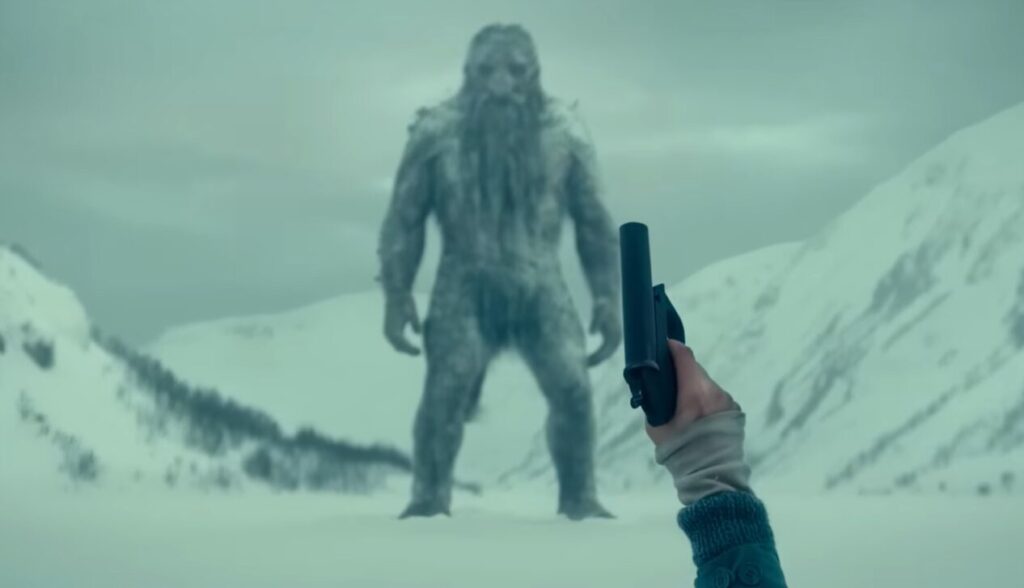
‘트롤의 습격 2’는 북유럽 영화로서는 드물게 대규모 시각효과를 구현한 작품이다. 노르웨이의 광대한 산악 지형과 트롤의 거대한 신체는 시각적으로 절대적 스케일감을 제공하며, 이는 1편에서 많은 관객이 매료되었던 지점이기도 하다. 그러나 2편에서는 이 스케일의 장점이 완전히 발휘되지 못했다는 평가가 비교적 일관되게 등장한다. 많은 해외 비평은 스트리밍 플랫폼 특유의 디지털 압축 문제 때문에 자연 풍광이나 트롤의 피부 질감 등 미세한 디테일이 충분히 살아나지 못했다고 지적한다. 이는 극장 상영을 전제로 한 촬영 방식이 스트리밍 화면에서 다소 평면적으로 느껴지는 문제와도 연결된다. 노르웨이라는 실제 자연의 잠재력이 워낙 크기 때문에, 영상적 측면에서의 아쉬움은 더욱 두드러진다.
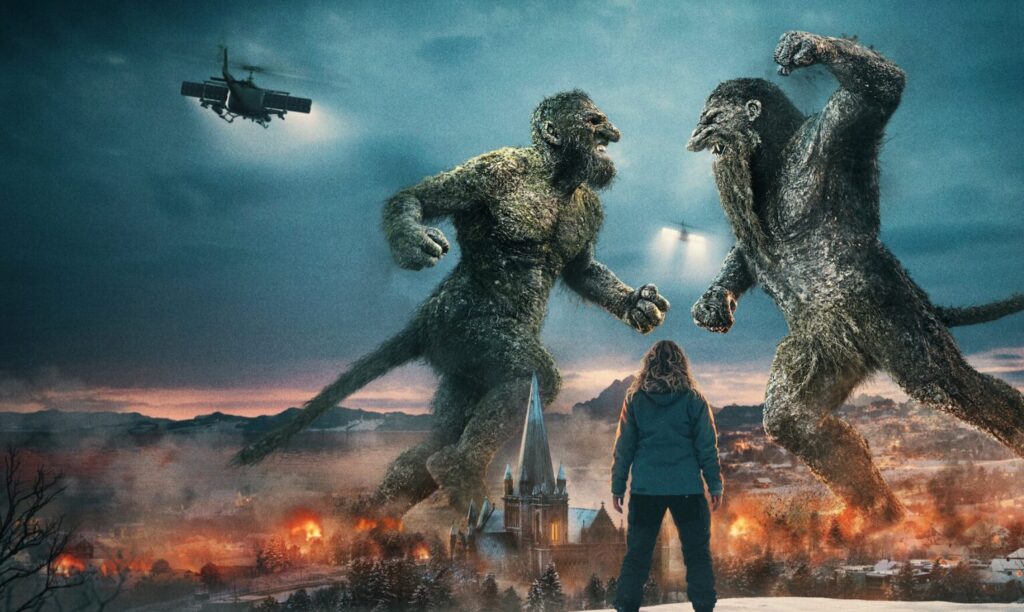
괴수물에서 핵심이 되는 액션 장면 또한 완성도에서 엇갈린 평가를 받는다. 특히 메가트롤과 뷰티풀의 대치 장면은 관객이 기대하는 ‘괴수 대 괴수’의 압도감을 충분히 제공하지 못했다는 지적이 많다. 영화는 두 생명체 간의 존재론적 갈등을 시각화하는 대신, 충돌의 물리적 규모를 제한된 방식으로 표현하는 데 머물러 있다. 전투 장면이 짧게 지나가면서 서사가 축적한 긴장감을 충분히 해소하지 못하고 넘어간다는 점도 아쉬움으로 남는다. 반면 메가트롤이 도시와 인간 공간을 파괴하는 장면에서는 1편에서 이어진 장력감 있는 연출이 어느 정도 구현되며, 괴수물 특유의 ‘압도적 존재감’은 부분적으로 유효하게 작동한다. 결과적으로 시각효과와 액션은 영화의 가장 큰 흥행 포인트이자, 동시에 가장 큰 한계로 남는 양면성을 가진다.
‘트롤의 습격 2’는 단순한 괴수물의 구조에서 벗어나기 위해 여러 장르적 요소를 결합시킨다. 특히 영화 중반부 이후는 노라와 동료들이 역사적 단서를 해독하고 옛 기록을 수집하며 트롤 신화의 숨겨진 부분을 추적하는 탐험극의 구조를 따르고 있다. 이는 ‘인디아나 존스’나 ‘내셔널 트레저’와 같은 고고학적 모험의 성격을 띠며, 세계관 확장을 위한 매력적 시도가 될 수 있었다. 그러나 이 모험 요소는 흥미로운 출발점에도 불구하고 충분히 심화되지는 못한다. 영화적 템포는 이 탐사 과정에서 잠시 느려졌다가 다시 급박하게 전개되는 흐름을 반복하고, 그 과정에서 관객이 서사적 몰입감을 꾸준히 유지하기 어려운 구간이 발생한다.
또한 모험극의 핵심인 ‘발견의 쾌감’이 충분히 축적되지 못했다는 점 역시 지적할 만하다. 영화는 새로운 단서를 제시하고 이를 바탕으로 세계관의 숨겨진 조각을 채워 넣으려 하지만, 그 결과는 종종 단편적인 정보 제공에 머물러 서사의 무게감을 더하는 데까지는 도달하지 못한다. 그럼에도 불구하고 이 모험 요소는 영화가 괴수물 이상의 방향으로 나아가고자 하는 의지를 보여주는 사례이기도 하다. 비록 완성도가 아쉬운 부분이 있지만, 속편으로서 시리즈가 새로운 서사적 가능성을 탐색하려 했다는 점은 긍정적으로 평가할 수 있다. 이러한 시도는 향후 3편이 제작된다면 더 깊이 있게 확장될 수 있는 기반으로 작용할 가능성이 있다.
노르웨이와 북유럽 신화가 세계로 뻗어가는 방식
‘트롤의 습격 2’는 단순히 노르웨이 영화 한 편이 아니라, 북유럽 신화적 세계관이 글로벌 문화 생태계 안에서 어떻게 소비되는지를 보여주는 사례다. 과거에는 신화 기반 콘텐츠가 세계적 유통망을 통해 확산되기 위해선 강력한 제작·배급 구조가 필수적이었다. 하지만 넷플릭스의 글로벌 스트리밍 모델은 이 구조를 완전히 뒤흔들었다. 이제는 특정 국가의 설화적 존재가 국경을 넘어 세계인의 시청 목록 한가운데에 자리 잡을 수 있는 시대가 되었고, ‘트롤’ 시리즈는 그 대표적인 사례로 언급된다. 특히 이 영화가 흥미로운 지점은 북유럽 신화가 세계에 알려지는 일반적 경로—할리우드식 재해석이나 판타지 프랜차이즈의 일부로 등장하는 방식—이 아니라, 자국 영화산업이 직접 제작한 현지 기반 서사로 전해진다는 점이다. 이는 문화적 진정성과 주체성을 유지한 채 신화를 전달하는 비교적 드문 구조이며, 상대적으로 변형이 적고 지역적 뉘앙스를 그대로 담아낼 수 있다는 장점이 있다.
이런 현상은 단순한 콘텐츠 수출을 넘어 문화적 상상력의 이동으로 이해될 수 있다. 한국 관객이 트롤이라는 존재를 접하는 방식은 ‘북유럽 신화’를 소개하는 책이나 영화 속 배경 요소가 아니라, 트롤을 실제 세계의 일부처럼 느끼도록 만드는 영화적 체험이다. 이는 로컬 신화가 글로벌 시장에서 인정받는 새로운 경로이며, 넷플릭스가 제공하는 접근성 덕분에 가능한 변화다. 또한 이러한 콘텐츠 소비는 자연스럽게 북유럽의 환경·지형·종교적 변천사에 대한 관심으로 이어지며, 신화적 메타포 뒤에 놓인 문화·역사적 맥락을 탐구하도록 관객을 유도한다. ‘트롤의 습격 2’가 단순한 괴수 오락물을 넘어 문화적 확산 효과를 갖는 이유는 바로 이 지점에 있다. 이 영화는 노르웨이인의 상상력이 전 세계 관객에게 공유되는 하나의 장치가 되며, 글로벌 문화의 다양성을 확장하는 데에 기여하고 있다.
넷플릭스의 전략적 관점 ― 로컬을 글로벌로 전환하는 방식
넷플릭스는 지난 몇 년 동안 비영어권 콘텐츠에 지속적으로 투자하면서 “로컬 스토리를 글로벌 히트로 만든다”는 전략을 강화해 왔다. 한국의 ‘오징어 게임’, 스페인의 ‘종이의 집’, 일본의 미스터리 시리즈까지, 언어·문화적 장벽을 넘는 사례가 꾸준히 이어지는 가운데 ‘트롤’ 시리즈도 이 흐름의 연장선상에 있다. 넷플릭스가 노르웨이 신화 기반 괴수물을 전면에 배치하고 글로벌 공개하는 것은 단순히 장르 확장의 차원이 아니라, 세계 각지의 고유한 설화적 자원을 하나의 글로벌 플랫폼에서 유통 가능한 콘텐츠로 전환하는 과정으로 볼 수 있다. 이는 기존의 할리우드 중심 콘텐츠 시장에서는 불가능했던 방식이며, 각국의 신화·역사·문화가 고유의 맥락을 유지한 채 글로벌 무대로 진입하는 중요한 변곡점이라 할 수 있다.
특히 ‘트롤의 습격 2’는 넷플릭스의 알고리즘적 추천 구조와도 밀접하게 연결되어 있다. 플랫폼은 사용자의 시청 패턴을 분석해 특정 장르의 콘텐츠에 관심이 있는 관객에게 자동으로 이 영화를 추천함으로써, 언어적 거리감이나 지역적 낯섦이 관람의 장애물이 되는 것을 최소화한다. 이처럼 알고리즘 기반 배급은 과거에는 ‘찾아보지 않으면 접할 수 없던 영화’를 ‘우연히 마주하게 되는 콘텐츠’로 변화시켰다. 이 변화는 넷플릭스가 전 세계 문화 다양성의 확산을 촉진하는 데 결정적 역할을 하고 있다는 평가로 이어진다. ‘트롤의 습격 2’는 그 자체의 완성도를 떠나, 넷플릭스가 로컬 서사를 글로벌 플랫폼의 핵심 자산으로 활용하는 전략이 어떻게 작동하는지 보여주는 대표적 사례다.
엔딩과 미드크레딧 ― ‘트롤 유니버스’의 태동
영화의 후반부는 감정적·서사적 전환점이 집중된 구간이다. 특히 안드레아스의 희생은 서사의 긴장을 최고조로 끌어올리며, 인간이 트롤과 맺는 관계에서 완전히 새로운 국면을 제시한다. 그의 결정은 단순한 영웅적 죽음을 넘어, 인간이 자연적 존재를 오해해온 오랜 과정의 대가처럼 제시된다. 이는 관객에게 강한 감정적 여운을 남기며, 영화가 전달하려 했던 메시지의 중심축으로 작용한다. 후반부 뷰티풀의 행동 역시 중요한 서사적 전환점이다. 그는 메가트롤과 인간 사이의 균형을 유지하는 존재로 등장하며, 트롤 내부의 세계관이 인간 사회와 완전히 분리된 것이 아님을 시사한다. 이 장면은 트롤을 단순한 괴물이 아닌 ‘감정과 관계의 주체’로 확장시키는 장치로 기능하며, 시리즈의 세계관이 더 넓은 방향으로 확장될 수 있음을 보여준다.
미드크레딧 장면은 보다 직접적으로 시리즈의 미래를 암시한다. 정부가 트롤의 돌파편을 이용해 ‘미니 트롤’을 생성하는 장면은 단순한 후속편 떡밥이 아니라, 인간이 트롤을 통제하고 활용하려는 의도가 다시 강화되고 있음을 의미한다. 이는 후속작에서 인간과 트롤 사이의 갈등이 개인적·감정적 차원을 넘어 국가적·윤리적 문제로 확장될 가능성을 시사하며, 시리즈가 보다 복잡한 정치적 스릴러 요소를 품을 여지를 남긴다. 결국 이 미드크레딧은 ‘트롤 시네마틱 유니버스(Troll Cinematic Universe)’가 본격적으로 구축될 수 있음을 보여주는 신호다. 1편과 2편이 신화적·정서적 기반을 마련했다면, 향후 작품은 보다 거대한 구조 속에서 인간과 트롤이 공존 혹은 충돌하는 장르적 실험을 시도할 가능성이 크다.
공통된 아쉬움과 의미 있는 시도들
‘트롤의 습격 2’에 대한 해외 비평은 전반적으로 “전편의 신선함을 완전히 확장하지는 못했다”는 의견에 가까운 흐름을 보인다. 다만 각 매체는 서로 다른 지점을 강조하며 이 영화가 가진 장점과 한계를 다층적으로 짚어냈다.2편은 세계관 확장에 대한 시도는 의미 있었지만, 장르적 쾌감과 드라마적 밀도의 균형에서는 미완성적인 결과를 낳았다는 결론으로 정리할 수 있다.
특히 비평가들이 공통적으로 언급한 요소는 서사의 불균형이다. 영화는 괴수물·모험물·신화극의 요소를 동시에 결합하려 했지만, 각각의 장르적 특징이 유기적으로 연결되지 못하면서 중심 톤이 흔들리는 지점이 여러 차례 나타난다. 한 비평은 “속편이 가져야 할 방향성을 제시하려다 결국 여러 길목 중 어느 것도 끝까지 밀어붙이지 못했다”는 평가를 남겼는데, 이는 영화가 가진 구조적 문제를 가장 압축적으로 보여주는 문장이다. 즉, 세계관의 깊이를 넓히기 위한 시도가 오히려 이야기의 초점을 흐리는 방식으로 작용했다는 것이다.
시각적 요소에 관한 비평 역시 일관된 흐름을 보인다. 여러 해외 리뷰는 영화의 자연 경관과 괴수 디자인 자체는 훌륭하지만, 스트리밍 플랫폼 특유의 디지털 압축 문제로 인해 장면이 가진 잠재적 스케일이 충분히 드러나지 않는다는 아쉬움을 표했다. 이는 극장 상영을 염두에 두고 제작된 장면들이 OTT 화면에서 의도한 만큼의 깊이와 명암을 살리지 못한 구조적 한계와도 이어진다. 또한 일부 평단은 두 트롤 간의 대결 장면이 기대에 비해 짧고 여운이 약하다는 점을 지적했다. 괴수물의 정점이 되는 장면이 강렬한 피날레로 이어지지 못한 것은 영화 전체의 구조적 긴장을 약화시키는 요소로 작용했다는 것이다.
반면 긍정적인 평가도 존재한다. 특히 노라와 안드레아스의 감정선, 그리고 트롤 신화를 정치·역사적 맥락으로 확장하려는 시도는 다수 비평가가 인정한 지점이다. 한 해외 평론은 “속편이 전편보다 인물 간 감정의 무게를 더 정교하게 배치했다”고 평가하며, 감정적 서사가 전편보다 더 설득력 있게 연결되었다는 의견을 제시했다. 이 요소는 시리즈가 단순한 괴수 오락물로 머물지 않으려는 의지를 보여주는 대목이며, 영화의 완성도 논의와 별개로 세계관적 잠재력을 강화하는 역할을 했다.
일부 평가에서는 2편이 ‘속편 피로감’을 벗어나지 못했다는 의견도 있다. 즉, 전편이 이미 신선한 신화적 기반과 문화적 배경을 제시한 만큼, 그 이상의 상상력을 제시하지 못하면 오히려 전편의 성취를 반복하는 형태로 보일 수 있다는 것이다. 이를 두고 한 비평가는 “속편이 전작의 그림자에서 충분히 벗어나지 못했다”고 표현했다. 이 평가는 서사적·시각적 완성도보다 ‘속편으로서의 위치’에 초점을 둔 관점이며, 나아가 시리즈의 세계관 확장을 위해 앞으로 무엇이 필요한지 생각하게 하는 의견이기도 하다.
완성도 이상의 의미 ― 로컬 신화의 세계적 흐름 속에서
‘트롤의 습격 2’는 영화적 완성도만 놓고 보면 구조적 아쉬움을 분명히 안고 있는 작품이다. 서사는 여러 갈래의 장르적 실험 속에서 중심 축이 흔들리고, 세계관 확장은 충분히 심화되지 못한 채 새로운 방향성만 제시한 정도에 머문다. 괴수 대 괴수의 압도적 충돌이 기대에 미치지 못한 점도 이 영화가 받은 비판 중 반복적으로 언급되는 부분이다. 그러나 이 영화의 가치를 단지 서사적 완성도나 연출적 완급조절만으로 평가하는 것은 이 작품이 가진 핵심적 맥락을 놓치는 일이 될 수 있다. ‘트롤의 습격 2’는 ‘로컬 신화의 글로벌화’라는 문화적 전환의 한복판에 놓여 있는 작품이며, 그 자체로 세계 문화 생태계가 변화하는 방식을 보여준다.
이 영화는 노르웨이라는 특정 지역의 전설과 자연관이 넷플릭스라는 글로벌 플랫폼을 통해 어떻게 세계 관객과 연결되는지를 시각적으로, 서사적으로 보여주는 사례다. 우리는 이 작품을 통해 북유럽 신화의 단편만을 소비하는 것이 아니라, 그 신화가 현대 사회와 어떻게 충돌하고 변용되는지를 직접 체험하게 된다. 이는 단순한 괴수 오락물을 넘어, 문화적 다양성과 세계관의 확장을 경험하게 만드는 창구 역할을 한다. ‘트롤의 습격 2’는 비록 완성도 면에서는 여러 과제를 남겼지만, 로컬 설화가 글로벌 서사로 재탄생하는 과정을 가장 생생하게 보여준 작품 중 하나로 기록될 것이다.
궁극적으로 이 영화는 시리즈가 앞으로 어떤 방향으로 나아갈 수 있을지, 그리고 로컬 신화를 기반으로 한 세계관이 어떻게 확장될 수 있을지에 대한 질문을 남긴다. 북유럽 신화는 이미 수많은 문화 콘텐츠에서 차용되어 왔지만, ‘트롤’ 시리즈는 그것을 지역적 감수성과 정체성을 유지한 채 전달한다는 점에서 다른 작품들과 구별된다. 이런 점에서 ‘트롤의 습격 2’는 미완성의 속편이면서도, 글로벌 시대의 문화 이동을 보여주는 중요한 사례이자 상징적인 텍스트로 남는다.
December 04, 2025By David Lee / david@spotlightuniv.com
Netflix is often a platform that makes it difficult to discuss or evaluate a film solely based on the criteria of ‘completeness.’ While the precision of a specific work’s structure, or whether its story and direction meet existing genre expectations, are undoubtedly important factors, they are not the only standards by which the experience Netflix provides to a global audience is judged. The recently released Norwegian monster film, ‘Troll 2,’ is an excellent case study illustrating this very point. If this work had been released through a cinema-centric distribution system instead of Netflix, the opportunity for Korean audiences to encounter it would have been minimal. It is not easy for a monster film based on local mythology, one that reinterprets Nordic mountain landscapes and legends from Norwegian history, to cross the high barriers of the global market and gain a foothold among Asian audiences.
However, the OTT platform has completely changed this structure. By effectively removing language and regional barriers, Netflix has brought mythical beings—once consumed only within a specific nation—directly into the content lists of viewers worldwide. Regardless of the film’s artistic completeness, ‘Troll 2’ functions as a kind of ‘cultural channel,’ allowing global audiences to directly experience the folklore, tradition, and sentiment of the Norwegian region. In this context, this work holds meaning beyond a simple monster movie. It is closer to a field record showing how a nation’s mythical imagination spreads across the globe through a global platform.
The Being of the Troll, and the Nordic Way of Creating Monsters
The Troll has long been portrayed in Nordic folklore and mythology as a being situated at the boundary between humans and nature. Even before modern fantasy literature became widely consumed globally, Trolls were, for Norwegians, a part of nature and sometimes a threatening, unfamiliar ‘other’ to the human world. This traditional image is revisited and varied in the sequel, following the first film. The Troll in the movie is depicted not merely as a monster but as an ancient being composed of mountains and earth, a natural entity, and a descendant of a race exiled from the human world. This is more than a simple genre trope; it reflects Norway’s view of nature and its mythical worldview.
The film, in particular, portrays the Troll as a ‘being with ancient memory’ rather than just a ‘destroyer.’ The reason Trolls are inseparable from the Norwegian mountain landscape is their traditional symbolism as beings identified with nature. The sequel reveals these mythical roots more directly, bringing to the forefront the history of how Trolls once coexisted with human society, and how they were excluded and distorted by humans through historical events. This moves beyond the simple conflict structure often used in monster movies (Human vs. Monster) to a more complex narrative that deals with the memory, history, and distortion surrounding a mythical being from a specific cultural sphere.
The Success of the First Film and the Sequel’s Inherent Challenge
Upon its release, the first Troll set a record for the highest viewership among non-English films on Netflix globally, garnering a reaction beyond expectations worldwide. Despite the genre’s unfamiliarity as a monster film, it proved that the specific cultural backdrop of Norwegian mythology could resonate in the global market. At the time, audiences embraced the unique environmental scale of the Nordic region and the overwhelming presence of the Troll, a phenomenon created by the platform’s algorithm—a ‘chance global hit.’
광고
However, behind the box office success lay a crucial problem that the sequel had to solve. Since the first film had already used the core of Norwegian mythology to establish the world-view, the second film had to present a new direction for expansion, not just a simple repetition. ‘Troll 2’ signaled an ‘expanded world-view’ from the production stage by investing the largest budget for a Nordic film. Still, it was consequently burdened with the destiny of accommodating much greater narrative expectations.
The pressure of producing a sequel is often linked to the genre rule that it must be ‘bigger and flashier than the previous installment.’ However, in the case of monster films, merely expanding the scale is insufficient to guarantee audience satisfaction. Once the existence of the monster is revealed and the contours of its world-view are established, what the audience desires is ‘internal expansion,’ such as new settings, an extension of the mythology, or different aspects of the monster entity. In this context, the challenge faced by the sequel was not just to introduce a larger Troll but to demonstrate how the Troll mythology could push the world-view into a deeper layer.
However, many international critics argue that the sequel failed to fully unfold a new direction at this point. Despite offering a larger scale and more scenes than the first film, the emotional impact and mythical depth provided by the expanded world-view did not grow proportionally. This assessment demonstrates the inherent limitations of sequels and reveals that Troll 2 did not perfectly balance world-view expansion and genre gratification.
Memory, Exploration, and the Awakening of a Giant Being
The film begins with a legend young Nora hears from her father. The conflict between the historical figure King Olaf of Norway and the Troll race is reinterpreted as the most significant historical background of the sequel. The way this conflict, which had been treated only as a legend or ‘story,’ manifests its true form is a device for the sequel’s world-view expansion.
In the present day, Nora lives in seclusion in a forest cabin after the events of the first film, still bearing the deep scars left by the previous incident involving the Troll. The person who reappears before her is Andreas, who played a key role in the first film. Working for a government organization, he informs Nora of the existence of another Troll being secretly researched and warns that the creature’s potential threat to the human world has grown.
The newly introduced Troll, the so-called ‘Mega Troll,’ is distinctly different from the Troll in the first film. Awakened from a state of confinement due to reckless human research and imprisonment, this giant creature escapes the government facility, causing immediate chaos. The Mega Troll then traverses various parts of Norway towards its destination, a route driven by a mix of ancient memory and feelings of revenge, not mere destruction. Nora, Andreas, and Chris, a military figure, track the Mega Troll’s path, gradually uncovering the significance of its destination and the historical truth hidden in the background. In this journey, the film attempts to combine the action of a monster film with the narrative flow of an exploration and adventure story, but the uneven pacing and proportion can feel imbalanced to the audience. Nevertheless, the film seriously addresses the “erased history” of Troll mythology, pushing the narrative to reveal more of the world-view’s hidden side that the first film did not fully cover.
National Memory and the Return of the ‘Erased History’
One of the most intriguing aspects of Troll 2 is its reinterpretation of the ancient conflict between Norwegian royalty and the Troll race, not just as a legendary backdrop but as a political clash surrounding national memory. From the start, the film does not simply repeat the traditional narrative of King Olaf persecuting and driving out the Trolls but unravels the legend by asking “how that memory has been recorded and transmitted.” When humans remain in history as the victors, the narrative of the vanquished is naturally distorted or erased; the Trolls in the film are the descendants of those very ‘erased beings.’ The reason the Mega Troll moves not just with indiscriminate violence towards humans but towards specific places and symbols left by the descendants of King Olaf reflects this historical context. Audiences can read the Troll’s actions not as monstrous rage but as a form of “restoration of memory,” where a repressed past bursts forth. This is a narrative layer rarely expected in a simple monster film.
Interestingly, the film naturally connects the internal conflicts of human society with this historical issue. The government continues to define Trolls as beings to be controlled or neutralized, maintaining an approach that seems to succeed the norms of past royalty. In contrast, Nora and some researchers attempt to understand the Trolls, exploring what was distorted in the past and what kind of conflict its result is breeding in the present. This ideological confrontation is not simplified into a good-versus-evil dichotomy in the film. Instead, the film raises the question of “who gets to write history, and who is silenced in the process of civilization,” revealing a political sensibility not commonly addressed by the monster genre. While this theme is tightly woven throughout the narrative, there is a lingering regret that some points that could have been developed in depth were pushed aside by the film’s pacing. Nevertheless, the cultural value of the sequel stems precisely from this ‘re-examination of national memory through legend.’
Human Technological Arrogance and Nature’s Vengeance
The most recurring element of tension in Troll 2 is the human delusion that Trolls are considered a ‘controllable object.’ The government continues its attempts to study, confine, and control the Trolls, and this approach exacerbates the problems throughout the film. The scene where the Mega Troll first awakens symbolically demonstrates how easily human technological arrogance and ignorance lead to disaster. Humans assume they can suppress the giant being with their own devices and norms, but the Troll, a part of nature, operates entirely differently from human order or logic. This is an old theme in the monster genre, but in Troll 2, it creates a unique texture by combining with the Nordic view of nature.
In this process, the film critically addresses the viewpoint that sees nature as a threat again. Humans easily believe that natural entities are no longer objects of fear because technology has advanced sufficiently, but the film reveals how dangerous such a delusion is. The Mega Troll destroys human urban infrastructure and weapons with overwhelming force, but its actions seem less like revenge and more like the reversal of the territory that humans have invaded and manipulated. In this context, the monster in the sequel is not merely an antagonist but a being that appears as the result of the rift created by humans. The continuous interaction between nature and humanity leads to the message that ‘nature is not to be controlled but understood.’ This is a point where a theme that remained implied in the first film explicitly comes to the forefront in the sequel.
The Clash of Christian Order and Indigenous Beliefs
Troll mythology is difficult to understand separately from the Christianization process of the Nordic region. The film portrays King Olaf not as a simple villain but as a ‘historical figure who established religious order,’ yet simultaneously shows how his actions excluded and eradicated indigenous beliefs and indigenous races. This is a mechanism that prevents Trolls from being seen as mere monsters. The human society in the film regards Christian order as ‘civilization,’ but from the Troll’s perspective, it remains a ‘history of destruction and exile.’ This structure shows a condensed form of the mythical and religious conflicts that have been repeated across Europe for centuries, and the film compels the audience to view this change from a new perspective.
The interesting point is how the film merges this conflict with a modern context. There are not a few settings that metaphorically incorporate the issues of multiculturalism in human society, the emergence of new immigrant communities, and the change in cultural identity. While these elements may not be directly apparent to some viewers, the way the film centers the narrative on the ‘return of the excluded being’ naturally connects with the identity issues contemplated by modern society. The Troll’s rage can be read not as simple violence but as the process by which a race erased from history speaks out again. This symbolism grants a depth that goes beyond the entertainment nature of a monster film, expanding the work’s cultural layers.
Nora, Andreas, Chris, and ‘Beautiful’
Troll 2 partially inherits the character arcs established in the first film, but it expands the narrative by recalling past emotional residues in each character. Nora, at the center, is still a character with a complex inner life, caught between the truth about the Trolls and her father’s legacy. The unresolved relationship with her father from the first film, and the research records and legends he left behind, become the driving force behind Nora’s actions in the sequel. She is positioned not merely as a ‘monster expert’ but as a researcher and witness attempting to correct the distortion of Troll mythology. Particularly in the process of confronting the Mega Troll, Nora re-examines her past wounds and emotional debts, functioning as a character who shows an emotional depth rare in monster films.
Andreas is the character who leaves the strongest emotional impact in this work. In his position as a coordinator and intermediary between political power and scientific inquiry, he offers a broader perspective on the existence of the Troll. His decision in the film’s final act is reminiscent of the heroic sacrifice often seen in the monster genre, but the resonance created by this scene goes beyond simple genre convention. Andreas’s choice can be seen as the price for the violence and arrogance humans have repeatedly committed by failing to understand the Trolls, and it is also read as an extension of the trust and responsibility built up in his relationship with Nora. This is the most powerful emotional ripple the film leaves in its final act, and some international critics acknowledge this scene as the emotional center of the work.
Chris has a more specific role compared to the first film. With a background in the military, he emphasizes practical judgment and immediate response, serving as a balancing force between Nora and Andreas. While his actions may sometimes seem drastic or hasty, his perspective is a crucial axis for maintaining narrative tension during the urgent conflict between the Mega Troll and human society. Particularly after the middle of the film, Chris’s decisions lead to difficult choices that shake the relationship between humans and Trolls, demonstrating the character’s complexity.
Finally, the most noteworthy being in this sequel is the Troll ‘Beautiful.’ Unlike the first film, the relationships between Troll entities and their emotions are more directly reflected in the narrative of the sequel. Beautiful is both an antagonist to the Mega Troll and a symbolic figure mediating between humans and Trolls. His appearance and actions in the final act reinforce the internal narrative complexity of the Trolls—that they, too, are beings with their own scars and memories. The fact that he is portrayed as a being with emotions and relationships, moving away from the commonly consumed image of the ‘destroyer’ in monster films, signals a new direction for the series.
Monster Action and Visual Effects – The Power and Limitations of Collision in Grand Nature
Troll 2 is a film that implements large-scale visual effects, rare for a Nordic production. Norway’s vast mountain terrain and the Troll’s immense physique provide an absolute sense of scale visually, which was also the point that captivated many audiences in the first film. However, there is a relatively consistent assessment that the advantage of this scale was not fully realized in the sequel. Many international critics point out that subtle details, such as the natural scenery and the Troll’s skin texture, did not fully come to life due to the digital compression issues typical of streaming platforms. This is also connected to the problem that filming methods intended for theatrical release can feel somewhat flat on a streaming screen. The potential of the actual Norwegian nature is so great that the regret regarding the visual aspect is even more pronounced.
The action scenes, which are central to monster films, also receive mixed reviews regarding their completeness. In particular, there is much criticism that the confrontation scene between the Mega Troll and Beautiful did not sufficiently deliver the overwhelming power expected of a ‘monster-versus-monster’ spectacle. The film remains focused on expressing the physical scale of the conflict in a limited manner, instead of visualizing the ontological conflict between the two creatures. The fact that the battle scenes pass by quickly without fully resolving the tension built up by the narrative is also a point of regret. On the other hand, the scenes where the Mega Troll destroys cities and human spaces partially realize the taut direction continued from the first film, and the ‘overwhelming presence’ typical of monster films is partially effective. Consequently, visual effects and action have a duality, serving as both the film’s biggest selling point and its biggest limitation.
Troll 2 attempts to combine several genre elements to break away from the simple structure of a monster film. Especially after the middle of the movie, it follows the structure of an adventure-exploration drama, where Nora and her colleagues decipher historical clues, collect ancient records, and track the hidden parts of the Troll mythology. This takes on the character of archaeological adventure, like Indiana Jones or National Treasure, and could have been an attractive attempt to expand the world-view. However, despite an intriguing starting point, this adventure element is not sufficiently deepened. The film’s pacing repeatedly slows down during this exploration process only to accelerate suddenly, creating sections where it is difficult for the audience to maintain consistent narrative immersion.
It should also be noted that the ‘pleasure of discovery,’ which is central to an adventure drama, is not sufficiently accumulated. The film attempts to present new clues and fill in the hidden pieces of the world-view based on them, but the result often remains fragmented information, failing to add substantial weight to the narrative. Nevertheless, this adventure element is an example of the film’s willingness to move beyond the scope of a monster film. While there are regrettable aspects regarding its completeness, the attempt by the sequel to explore new narrative possibilities for the series can be positively evaluated. These attempts are likely to serve as a foundation for deeper expansion if a third film is produced.
The Way Norway and Norse Mythology Reach the World
Troll 2 is not just a single Norwegian film but a case study of how the Norse mythical worldview is consumed within the global cultural ecosystem. In the past, a strong production and distribution structure was essential for mythology-based content to spread through global distribution networks. However, Netflix’s global streaming model has completely shaken this structure. It is now an era where the folklore entities of a specific nation can cross borders and occupy the center of the world’s viewing lists, and the ‘Troll’ series is cited as a prime example.
The particularly interesting point about this film is that the Norse mythology is conveyed not through the usual routes—such as Hollywood-style reinterpretation or appearance as part of a fantasy franchise—but through a locally-based narrative directly produced by the domestic film industry. This is a relatively rare structure that transmits the mythology while maintaining cultural authenticity and subjectivity, with the advantage that it is less modified and can convey regional nuances intact.
This phenomenon can be understood as a movement of cultural imagination beyond simple content export. The way Korean audiences encounter the Troll is not through books introducing ‘Norse mythology’ or background elements in a film, but through a cinematic experience that makes the Troll feel like a part of the real world. This is a new path for local mythology to gain recognition in the global market, a change made possible by the accessibility provided by Netflix. Furthermore, this consumption of content naturally leads to an interest in the environment, geography, and religious transition history of the Nordic region, prompting the audience to explore the cultural and historical context behind the mythical metaphors. This is precisely why Troll 2 has a cultural diffusion effect that goes beyond simple monster entertainment. The film becomes a vehicle for sharing the Norwegian imagination with global audiences, contributing to the expansion of global cultural diversity.
Netflix’s Strategic Perspective – The Method of Converting Local to Global
Over the past few years, Netflix has consistently invested in non-English content, strengthening its strategy of “making local stories global hits.” Amidst a steady stream of examples that transcend linguistic and cultural barriers, such as Korea’s Squid Game, Spain’s Money Heist, and Japanese mystery series, the ‘Troll’ series is an extension of this trend. Netflix’s decision to front and globally release a Norwegian mythology-based monster film can be seen not merely as a genre expansion but as a process of converting the unique folklore resources of various regions worldwide into content distributable on a single global platform. This was impossible in the existing Hollywood-centric content market and represents a crucial inflection point for the myths, histories, and cultures of various nations to enter the global stage while maintaining their unique contexts.
Troll 2 is particularly closely connected to Netflix’s algorithmic recommendation structure. The platform minimizes linguistic distance or regional unfamiliarity as barriers to viewing by automatically recommending the film to audiences interested in specific genres based on an analysis of user viewing patterns. This algorithm-based distribution has transformed films that were once ‘inaccessible unless sought out’ into ‘content encountered by chance.’ This change leads to the assessment that Netflix is playing a decisive role in promoting the spread of cultural diversity worldwide. Regardless of its completeness, Troll 2 is a prime example demonstrating how Netflix’s strategy of utilizing local narratives as core assets on a global platform works.
Ending and Mid-Credit – The Genesis of the ‘Troll Universe’
The final act of the film is a segment concentrated with emotional and narrative turning points. Andreas’s sacrifice, in particular, elevates the narrative tension to its peak, presenting an entirely new phase in the relationship between humans and Trolls. His decision is presented less as a simple heroic death and more as the price of the long process of human misunderstanding of natural entities. This leaves a strong emotional resonance with the audience, serving as the central axis of the message the film intended to convey. Beautiful’s actions in the final act are also a significant narrative turning point. He emerges as a being who maintains balance between the Mega Troll and humans, suggesting that the internal world-view of the Trolls is not entirely separate from human society. This scene functions as a device that expands the Trolls into ‘subjects of emotion and relationship’ rather than mere monsters, signaling a broader direction for the series’ world-view expansion.
The mid-credit scene more directly hints at the future of the series. The scene where the government uses Troll fragments to create ‘Mini Trolls’ is not just a sequel teaser; it signifies the renewed intention of humans to control and utilize Trolls. This suggests the possibility that the conflict between humans and Trolls in the next installment will expand beyond the personal and emotional level into a national and ethical issue, leaving room for the series to incorporate more complex political thriller elements. Ultimately, this mid-credit scene is a signal that a ‘Troll Cinematic Universe’ could be formally established. If the first and second films laid the mythical and emotional groundwork, future works are highly likely to attempt a genre experiment where humans and Trolls coexist or clash within a larger structure.
Shared Regrets and Meaningful Attempts
The overall flow of international criticism for Troll 2 leans towards the opinion that it “failed to fully expand the novelty of the first film.” However, various outlets highlighted different points, multi-dimensionally assessing the film’s strengths and limitations. The conclusion is that while the attempt to expand the world-view was meaningful, the sequel produced an incomplete result in balancing genre gratification and dramatic density.
A factor consistently mentioned by critics is the narrative imbalance. The film attempted to combine elements of monster film, adventure, and mythological drama simultaneously, but the central tone wavered repeatedly as the characteristics of each genre were not organically connected. One criticism stated that the film “attempted to set a direction for the sequel but failed to push any of the multiple paths to the end,” a phrase that most concisely summarizes the film’s structural problem. In other words, the attempt to deepen the world-view instead served to blur the story’s focus.
Criticism regarding the visual elements also showed a consistent trend. Several international reviews expressed disappointment that the film’s potential scale was not fully realized due to the digital compression issues typical of streaming platforms, despite the excellent natural scenery and monster design itself. This is connected to the structural limitation where scenes produced with theatrical exhibition in mind could not convey the intended depth and contrast on an OTT screen, feeling somewhat flat. Furthermore, some critics pointed out that the confrontation scene between the two Trolls was shorter and less impactful than expected. The fact that the climax of the monster film did not lead to a powerful finale was seen as a factor that weakened the overall structural tension of the film.
Conversely, there were also positive evaluations. The emotional arc of Nora and Andreas, and the attempt to expand Troll mythology into a political and historical context, were points acknowledged by many critics. One international reviewer assessed that “the sequel more meticulously arranged the emotional weight between the characters than the first film,” suggesting that the emotional narrative was more convincingly connected. This element demonstrates the series’ intention not to remain a simple monster entertainment, strengthening its world-view potential separate from the discussion of its completeness.
Some reviews suggested that the sequel failed to escape ‘sequel fatigue.’ Given that the first film already presented a novel mythical foundation and cultural backdrop, the sequel risks appearing as a mere repetition of the first film’s achievements if it fails to offer imagination beyond that. One critic expressed this by saying, “the sequel did not fully escape the shadow of its predecessor.” This perspective focuses on the ‘position as a sequel’ rather than narrative or visual completeness, and it is an opinion that encourages reflection on what is needed for the series’ world-view expansion moving forward.
Significance Beyond Completeness – In the Global Flow of Local Mythology
From a purely cinematic standpoint, Troll 2 is a work that clearly carries structural regrets. The narrative’s central axis wavers amidst various genre experiments, and the world-view expansion stops at merely suggesting a new direction without being sufficiently deepened. The failure of the overwhelming clash between monster and monster to meet expectations is also a frequently mentioned criticism the film received.
However, judging the value of this film solely by narrative completeness or directorial pacing risks missing its core context. Troll 2 is a work situated at the heart of a cultural shift: the ‘globalization of local mythology,’ and it shows how the global cultural ecosystem is changing.
This film is a visual and narrative example of how the legends and natural worldview of a specific region, Norway, connect with global audiences through a global platform like Netflix. Through this work, we do not merely consume fragments of Norse mythology; we experience how that mythology clashes and transforms with modern society. It serves as a window to experience cultural diversity and the expansion of world-views beyond simple monster entertainment. Although Troll 2 left several challenges in terms of completeness, it will be recorded as one of the most vivid works to show the process of local folklore being reborn as a global narrative.
Ultimately, this film leaves questions about the future direction of the series and how a world-view based on local mythology can be expanded. Norse mythology has already been borrowed by countless cultural contents, but the ‘Troll’ series is distinguished by conveying it while preserving regional sensibility and identity. In this regard, Troll 2, while an incomplete sequel, remains an important example and symbolic text demonstrating the cultural migration in the global era.




답글 남기기