
This post is also available in:
 한국어 (Korean)
A Future Defined by Technical Jargon
The discourse surrounding higher education in 2026 is remarkably frantic. Terms like Artificial Intelligence, automation, green transition, and high-tech industries dominate university news, government announcements, and various reports. Universities are framed as hubs for nurturing talent to support future industries, and education is aligned as a strategic component of national competitiveness and growth. Given the blistering pace of technological change, this direction may seem natural, even inevitable.
However, at the heart of this discourse, the focus remains stubbornly on what to teach, while the question of where we are headed rarely surfaces. We repeat buzzwords like skills, competencies, job fit, and employability, but discussions about what kind of human beings we are cultivating or what kind of society we aspire to build are pushed to the periphery. This is why many observe that while our plans have become more meticulous, our sense of direction has become blurred.
The Void in the Promise to “Leave No One Behind”
One of the most frequent expressions in recent policy is “inclusion.” We emphasize education where no one is excluded, universities that expand accessibility, and systems that embrace learners from diverse backgrounds. While this is an undeniably vital value, it requires a prerequisite: to prevent someone from falling behind, we must first be clear about where we are going. Inclusion without a clear destination easily regresses into empty rhetoric. When we manage speed without defining the purpose of the journey, inclusion remains an operational principle rather than an educational philosophy.
When Did Universities Become “Production Systems”?
Over the past few decades, the language universities use to describe themselves has shifted dramatically. The value of education is increasingly reduced to figures and metrics. Student satisfaction, employment rates, and research impact factors have become the criteria for designing the future. In this process, the university has been reconstructed as a predictable and efficient production system rather than a space for knowledge and reflection. Learning is now explained in the language of transactions and fulfillment; as the speed of delivery becomes paramount, the reason for learning is left unexplained.
The Illusion of “Jobs of Tomorrow” in the Era of Automation
Higher education policy often justifies itself by citing changes in the labor market. Amid forecasts that AI will replace existing jobs, universities position themselves as institutions preparing for the “jobs of tomorrow.” Yet, this approach has a fundamental flaw: predicting future jobs is becoming increasingly uncertain. Education that targets specific “future jobs” is inevitably short-term and must be revised whenever the wind shifts. As a result, universities find themselves trapped in a structure where they are always one step behind, chasing the future rather than leading it.

What Capacities Can Technology Not Replace?
In an era where AI replaces routine tasks, university education should focus on the domains technology cannot easily navigate: deliberation in judgment, choosing between conflicting values, and the ability to understand others’ perspectives and shoulder responsibility. These are not merely “liberal arts” flourishes; they are the power to construct meaning in uncertain environments and set ethical standards for how technology is used. The task of education in the age of automation is not simply to teach more technology, but to form the human beings who will live alongside it.
A Deficit of Meaning, Not a Deficit of Skills
The current crisis in higher education is less about a lack of technology and more about a “deficit of meaning.” Students often perceive education merely as a requirement for the next stage of life rather than a framework for understanding it. Education without meaning is easily exhausted. No matter how cutting-edge the skills taught, learning remains a short-term achievement if it isn’t situated within the context of an individual’s life and society’s direction.
Choosing Between Speed and Meaning
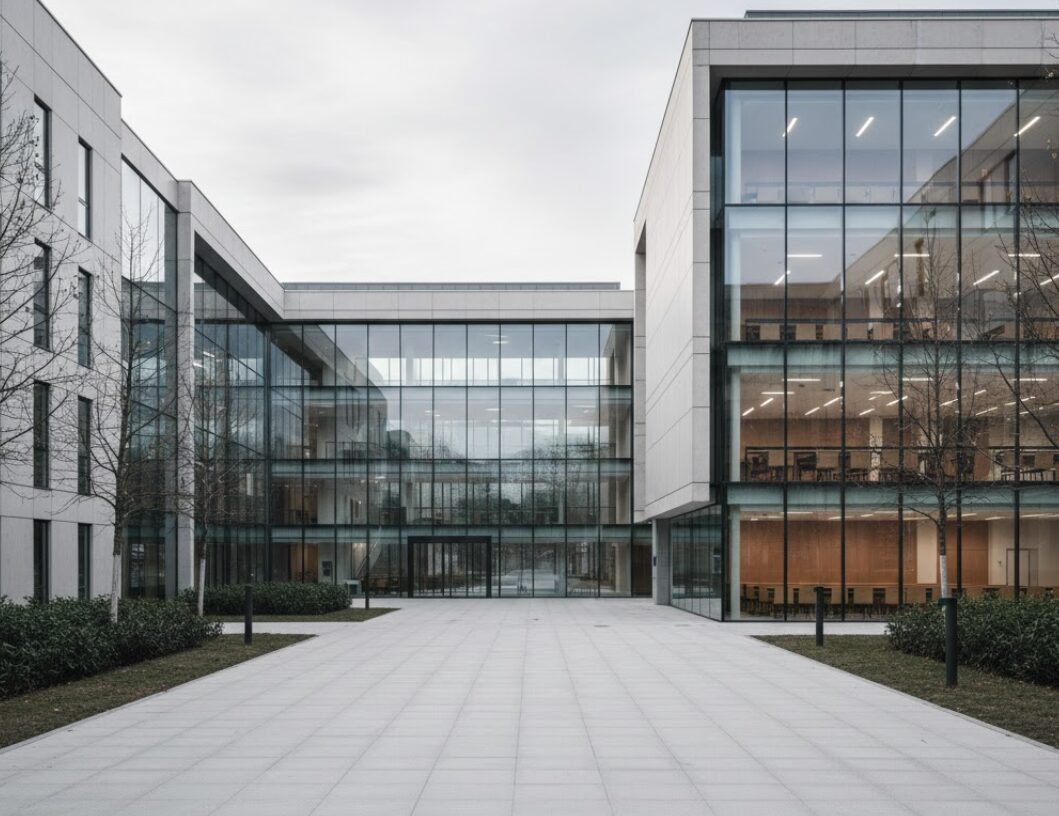
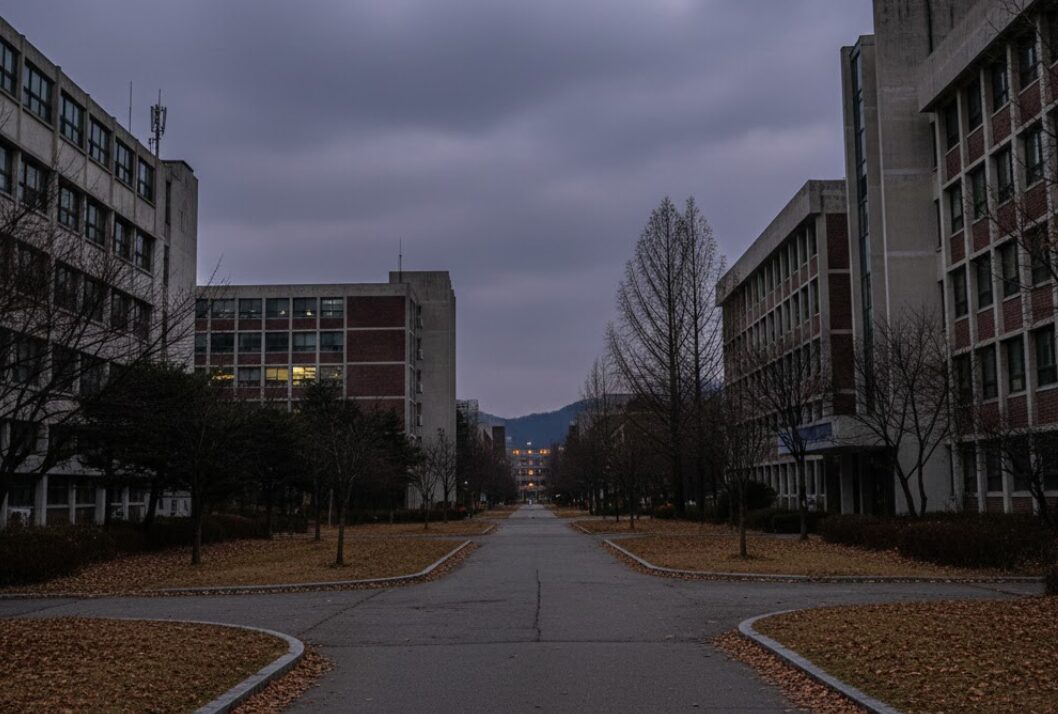
Higher education stands at a crossroads. One path is the “Faster University”—shortening degree periods and modularizing curricula for immediate results. The other is the “Meaningful University”—prioritizing the formation of thought and responsible judgment, even if it takes time. This contrast is not a matter of idealism; it is a structural choice. Whether a university becomes an institution that reacts instantly to social demands or a space that contemplates the direction of society depends on this choice.

Can the University Become a Space for Inquiry Again?
The future of the university depends not on a race of speed, but on a choice of direction. Not faster education, but education that asks deeper questions. Not more technology, but nurturing humans who know how to command technology. As we begin 2026, the university stands once again before that fundamental question: For what purpose do we exist?
Keywords: #AI #Automation #HigherEducation #RoleOfUniversities #UniversityReform #FutureOfEducation #PurposeOfEducation #Employability #Citizenship #UniversityInnovation #EducationPolicy



Leave a Reply